
Essential details
MOQ:12
Shipping:Ocean freight
Product Introduction
I. Product Overview & Positioning
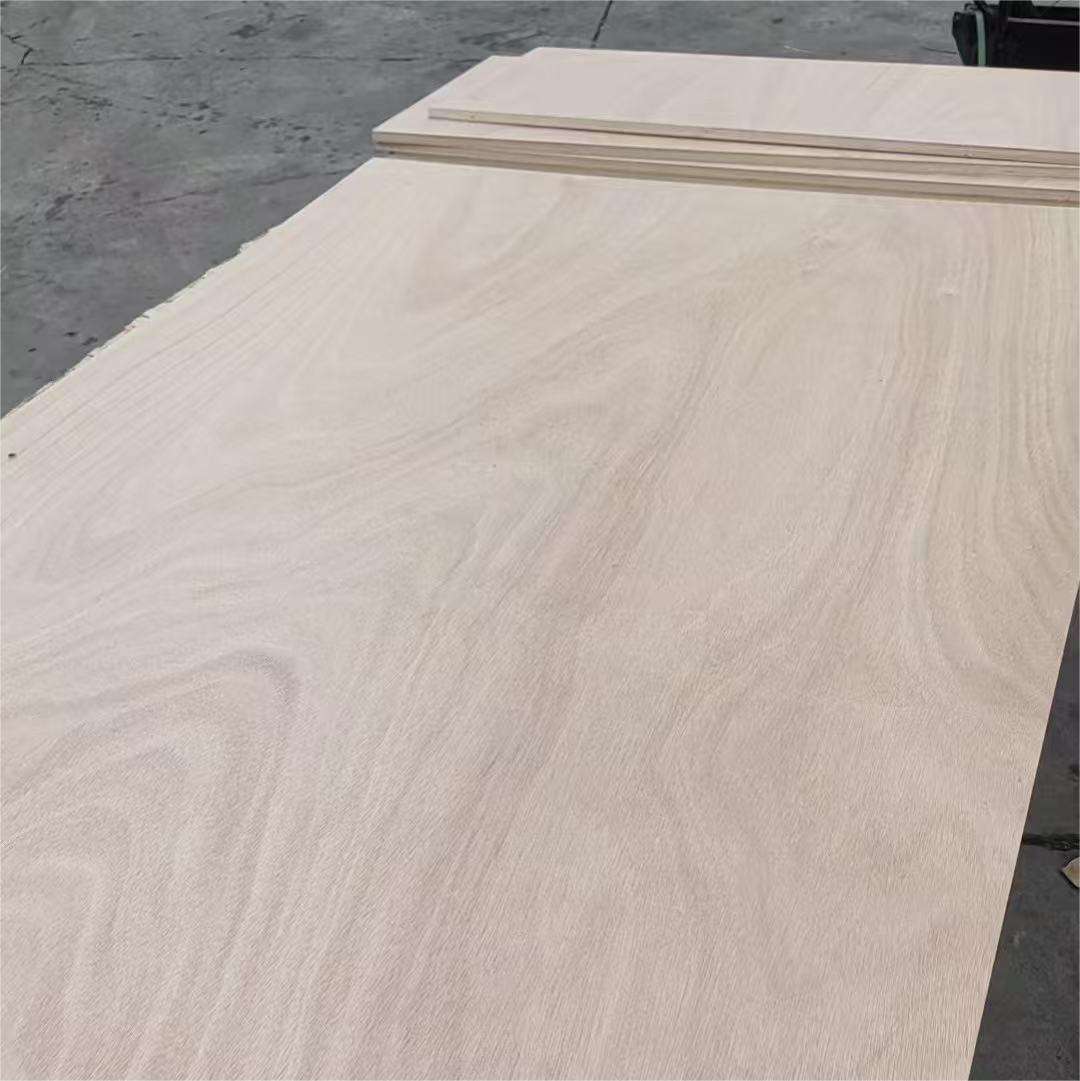
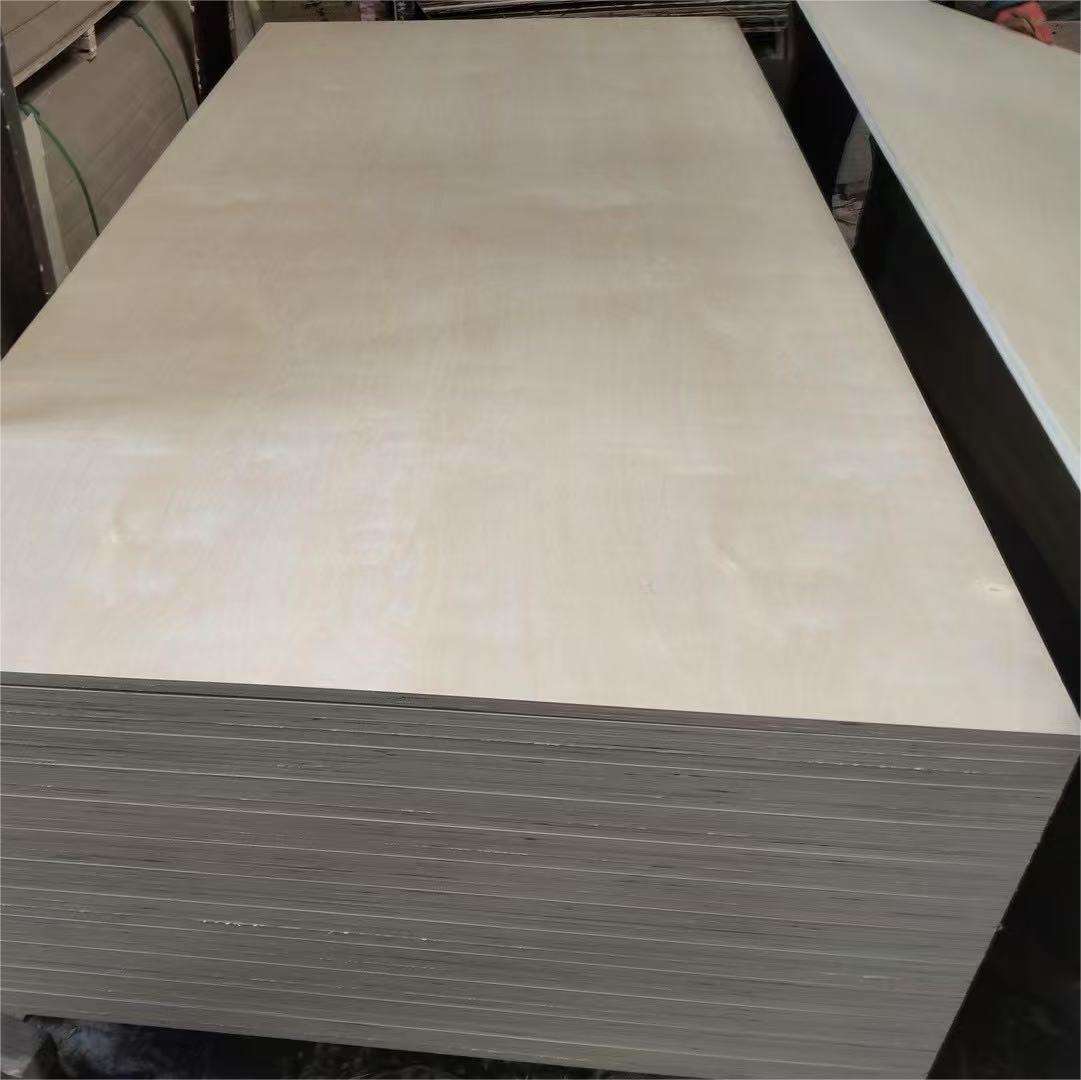
High‑quality waterproof marine grade multi‑layer solid wood panels – commonly known as marine plywood – are produced in strict accordance with the British Standard BS1088 for marine plywood. Originally designed for extreme environments such as shipbuilding, yachts, cargo containers, and outdoor timber structures, this product is also referred to as “waterproof plywood” or “boat plywood”.
High‑quality waterproof marine grade multi‑layer solid wood panels – commonly known as marine plywood – are produced in strict accordance with the British Standard BS1088 for marine plywood. Originally designed for extreme environments such as shipbuilding, yachts, cargo containers, and outdoor timber structures, this product is also referred to as “waterproof plywood” or “boat plywood”.
The term “high‑quality waterproof marine grade” signals a product that merges engineering‑grade structural stability with home decoration aesthetics. It is widely regarded as the “ceiling of whole‑house custom panels”. In the 2025‑2026 high‑end custom market, marine plywood has become the preferred material for demanding environments like kitchens, bathrooms, coastal homes, and basements.
II. Core Performance Parameters
Marine plywood’s ability to withstand high humidity and high stress comes from strict manufacturing specifications. Key performance data for high‑standard products are summarised below:
Marine plywood’s ability to withstand high humidity and high stress comes from strict manufacturing specifications. Key performance data for high‑standard products are summarised below:
Parameter Reference Value Explanation / Benefit
Standard BS1088, EN314 (Class 2 or higher) International entry barrier – eliminates low‑quality products
Grade (appearance) B/BB, S/BB, BB/BB Common international designation; B‑grade or better face for premium use
Core species Whole‑core birch, eucalyptus, okoumé, pine Uniform density, no voids, better stability than ordinary plywood
Adhesive WBP phenolic resin, Dynea waterproof glue Key to waterproofing & heat resistance – withstanding 72h boiling
Boiling water test Passes 72h boiling – no delamination Verifies water resistance – clear advantage over ordinary boards
Formaldehyde class ENF (≤0.025mg/m³); also E0/E1 available High‑end products; some also carry FSC, F☆☆☆☆
Bonding strength ≥1.6 MPa 33% above Chinese national standard – ensures long‑term no delamination
Thickness swelling (water absorption) ≤3% – ≤8% Far lower than ordinary boards (typically 15‑20%) – ideal for wet areas
Density 680 – 850 kg/m³ High density provides excellent screw‑holding and bending resistance
Bending strength ≥34 MPa (and above) Significantly higher – very low risk of deformation
Modulus of elasticity ≥6000 MPa (and above) Ensures no sagging over large spans
R‑radius edge wrapping Supports R10 – R200 mm shaped wrapping Flexible for curved / arc profiles
CNC routing tolerance ±0.3 mm High machining precision, fine detail reproduction
Screw‑holding power Far exceeds ordinary particleboard ( >2× ) Improves cabinet rigidity
Note: Values are reference standards; always verify with the manufacturer‘s test report.
Standard BS1088, EN314 (Class 2 or higher) International entry barrier – eliminates low‑quality products
Grade (appearance) B/BB, S/BB, BB/BB Common international designation; B‑grade or better face for premium use
Core species Whole‑core birch, eucalyptus, okoumé, pine Uniform density, no voids, better stability than ordinary plywood
Adhesive WBP phenolic resin, Dynea waterproof glue Key to waterproofing & heat resistance – withstanding 72h boiling
Boiling water test Passes 72h boiling – no delamination Verifies water resistance – clear advantage over ordinary boards
Formaldehyde class ENF (≤0.025mg/m³); also E0/E1 available High‑end products; some also carry FSC, F☆☆☆☆
Bonding strength ≥1.6 MPa 33% above Chinese national standard – ensures long‑term no delamination
Thickness swelling (water absorption) ≤3% – ≤8% Far lower than ordinary boards (typically 15‑20%) – ideal for wet areas
Density 680 – 850 kg/m³ High density provides excellent screw‑holding and bending resistance
Bending strength ≥34 MPa (and above) Significantly higher – very low risk of deformation
Modulus of elasticity ≥6000 MPa (and above) Ensures no sagging over large spans
R‑radius edge wrapping Supports R10 – R200 mm shaped wrapping Flexible for curved / arc profiles
CNC routing tolerance ±0.3 mm High machining precision, fine detail reproduction
Screw‑holding power Far exceeds ordinary particleboard ( >2× ) Improves cabinet rigidity
Note: Values are reference standards; always verify with the manufacturer‘s test report.
Additional parameters for premium grades
Some marine plywood products also achieve Class B1 fire rating (GB 8624) or BS476 after flame‑retardant treatment. High‑end products can achieve surface roughness <0.5mm after coating, finely reproducing the wood grain.
Some marine plywood products also achieve Class B1 fire rating (GB 8624) or BS476 after flame‑retardant treatment. High‑end products can achieve surface roughness <0.5mm after coating, finely reproducing the wood grain.
III. Meeting Diverse Demands
Marine plywood is not just a material – it is a comprehensive solution that satisfies multiple high requirements simultaneously:
Marine plywood is not just a material – it is a comprehensive solution that satisfies multiple high requirements simultaneously:
Core protection – Performs in high‑humidity, near‑water, or salt‑spray environments; significantly reduces warping and moisture damage.
Health & safety – ENF or higher emission class – suitable for sensitive spaces (elderly rooms, nurseries).
Structural durability – High density, high bending strength, strong screw‑holding – reliable for load‑bearing and long‑term use.
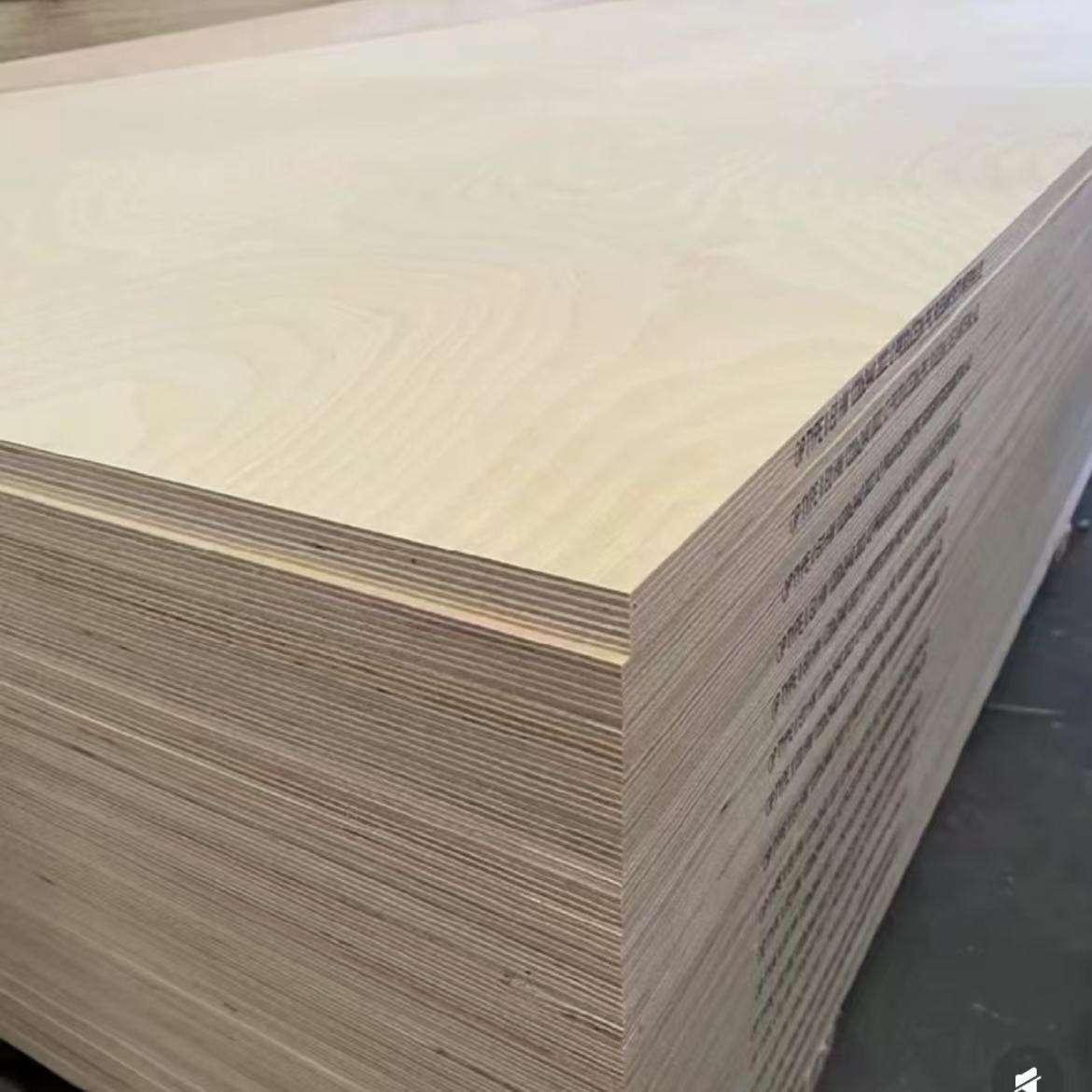
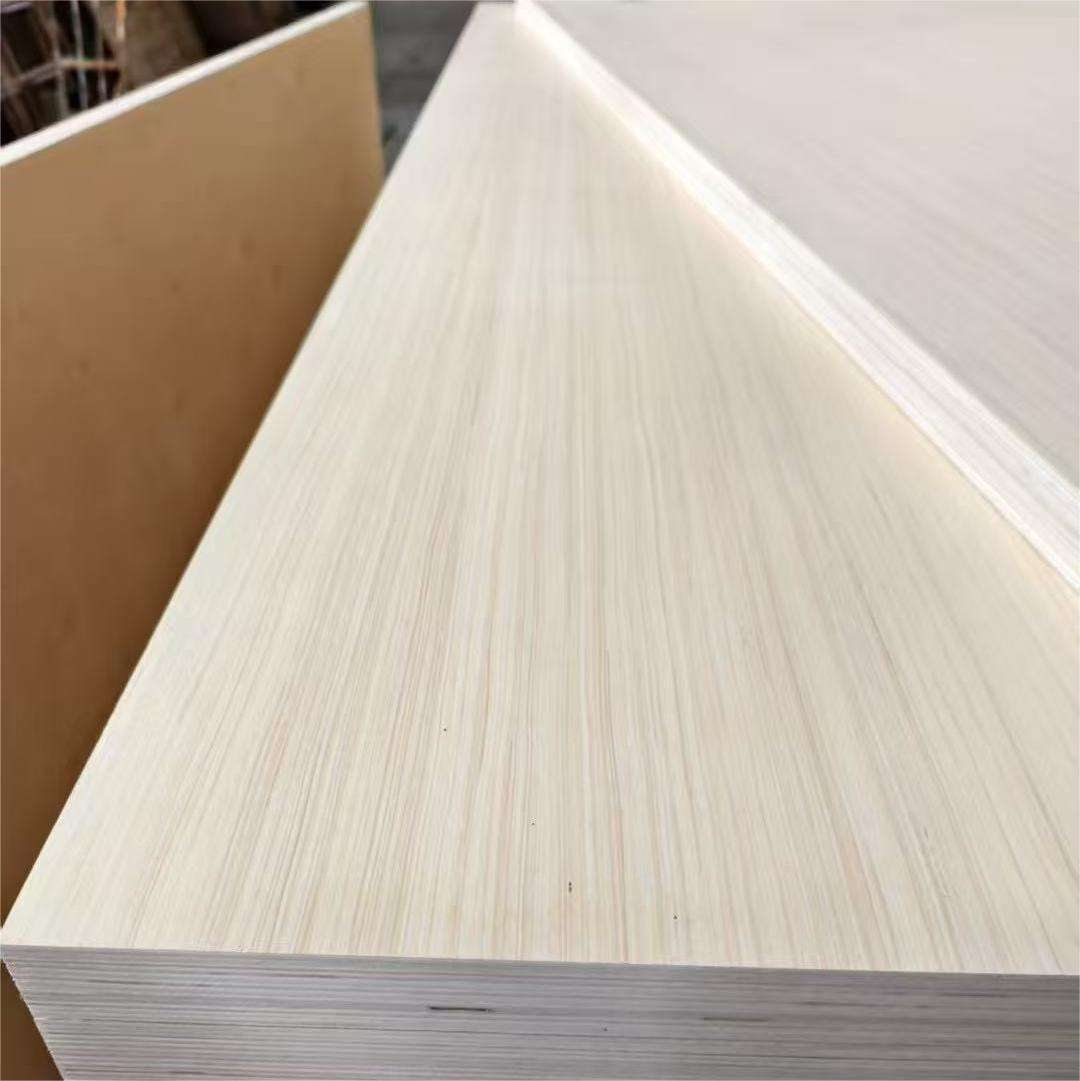
Design freedom – Exposed “wafer” cross‑section edges – natural, no edge‑banding required – fits minimalist / natural aesthetics.
Workability – Supports precision cutting, chamfering, shaped wrapping, UV coating, veneer laminating – adapts to all design needs.
IV. Marine Plywood vs. Ordinary Plywood – Quick Comparison
Aspect ✅ Marine Plywood (BS1088) ❌ Ordinary Plywood (GB/T 9846)
Core standard BS1088, EN314, FSC, ENF Chinese national general standard
Adhesive type WBP phenolic / Dynea waterproof / bio‑based no‑formaldehyde Urea‑formaldehyde (MR grade)
Boiling water test Passes 72h boiling – no delamination Room‑temperature soak only – fails high‑temperature boil
Thickness swelling ≤8% 15‑20%
Density 680‑850 kg/m³ 650‑780 kg/m³
Bending strength ≥34 MPa ~45% lower than marine ply
Surface appearance Natural wood grain, can be left exposed Usually requires veneer or painting to conceal substrate
Health & safety ENF, zero‑added‑formaldehyde, some nursery‑grade Mostly E1 or E0, with urea‑formaldehyde
Applications Boatbuilding, bathroom vanities, outdoor, high‑humidity projects Dry indoor furniture and construction
These differences collectively form marine plywood’s core advantages in durability, aesthetics, and health safety.
Aspect ✅ Marine Plywood (BS1088) ❌ Ordinary Plywood (GB/T 9846)
Core standard BS1088, EN314, FSC, ENF Chinese national general standard
Adhesive type WBP phenolic / Dynea waterproof / bio‑based no‑formaldehyde Urea‑formaldehyde (MR grade)
Boiling water test Passes 72h boiling – no delamination Room‑temperature soak only – fails high‑temperature boil
Thickness swelling ≤8% 15‑20%
Density 680‑850 kg/m³ 650‑780 kg/m³
Bending strength ≥34 MPa ~45% lower than marine ply
Surface appearance Natural wood grain, can be left exposed Usually requires veneer or painting to conceal substrate
Health & safety ENF, zero‑added‑formaldehyde, some nursery‑grade Mostly E1 or E0, with urea‑formaldehyde
Applications Boatbuilding, bathroom vanities, outdoor, high‑humidity projects Dry indoor furniture and construction
These differences collectively form marine plywood’s core advantages in durability, aesthetics, and health safety.
V. Core Manufacturing & Process Advantages
High‑quality marine plywood is backed by a strict manufacturing process – comparable to precision engineering.
High‑quality marine plywood is backed by a strict manufacturing process – comparable to precision engineering.
1. Core material selection
All cores use high‑quality whole‑veneer eucalyptus, birch, okoumé, etc., with no significant voids or knots, ensuring uniform internal structure.
All cores use high‑quality whole‑veneer eucalyptus, birch, okoumé, etc., with no significant voids or knots, ensuring uniform internal structure.
2. Adhesive technology upgrade
Phenolic resin (WBP glue) forms a highly cross‑linked, water‑ and heat‑resistant matrix. Some premium products use bio‑based no‑formaldehyde additive technology (similar bond strength, even lower VOC).
Phenolic resin (WBP glue) forms a highly cross‑linked, water‑ and heat‑resistant matrix. Some premium products use bio‑based no‑formaldehyde additive technology (similar bond strength, even lower VOC).
3. Lay‑up control
Typical constructions have 11 to 13 layers, cross‑banded and tightly bonded, producing high mechanical stability. Hot‑press pressure can reach 1.2 MPa – pressure and time eliminate inter‑layer bubbles and gaps.
Typical constructions have 11 to 13 layers, cross‑banded and tightly bonded, producing high mechanical stability. Hot‑press pressure can reach 1.2 MPa – pressure and time eliminate inter‑layer bubbles and gaps.
4. Edge & surface finishing
Marine plywood edges, after sanding, require no additional edge‑banding – they retain the layered, attractive “wafer biscuit” cross‑section. After fine sanding (240 grit), the surface can be finished directly with water‑based varnish, hard wax oil, or baked paint, preserving the real wood touch.
Marine plywood edges, after sanding, require no additional edge‑banding – they retain the layered, attractive “wafer biscuit” cross‑section. After fine sanding (240 grit), the surface can be finished directly with water‑based varnish, hard wax oil, or baked paint, preserving the real wood touch.
VI. Buying Guide & Pitfall Warnings
Use the following steps to distinguish genuine high‑quality marine plywood:
Use the following steps to distinguish genuine high‑quality marine plywood:
Buying checkpoint Recommended action Pitfalls to avoid
Check BS1088 & emission/fire certificates Request test reports, BS1088, ENF/E0 results Ordinary plywood sold as “marine grade”
Inspect panel face & cross‑section Cut a small sample – check for voids, tightness between layers Black glue pretending to be waterproof glue – actually cheap mixed adhesive
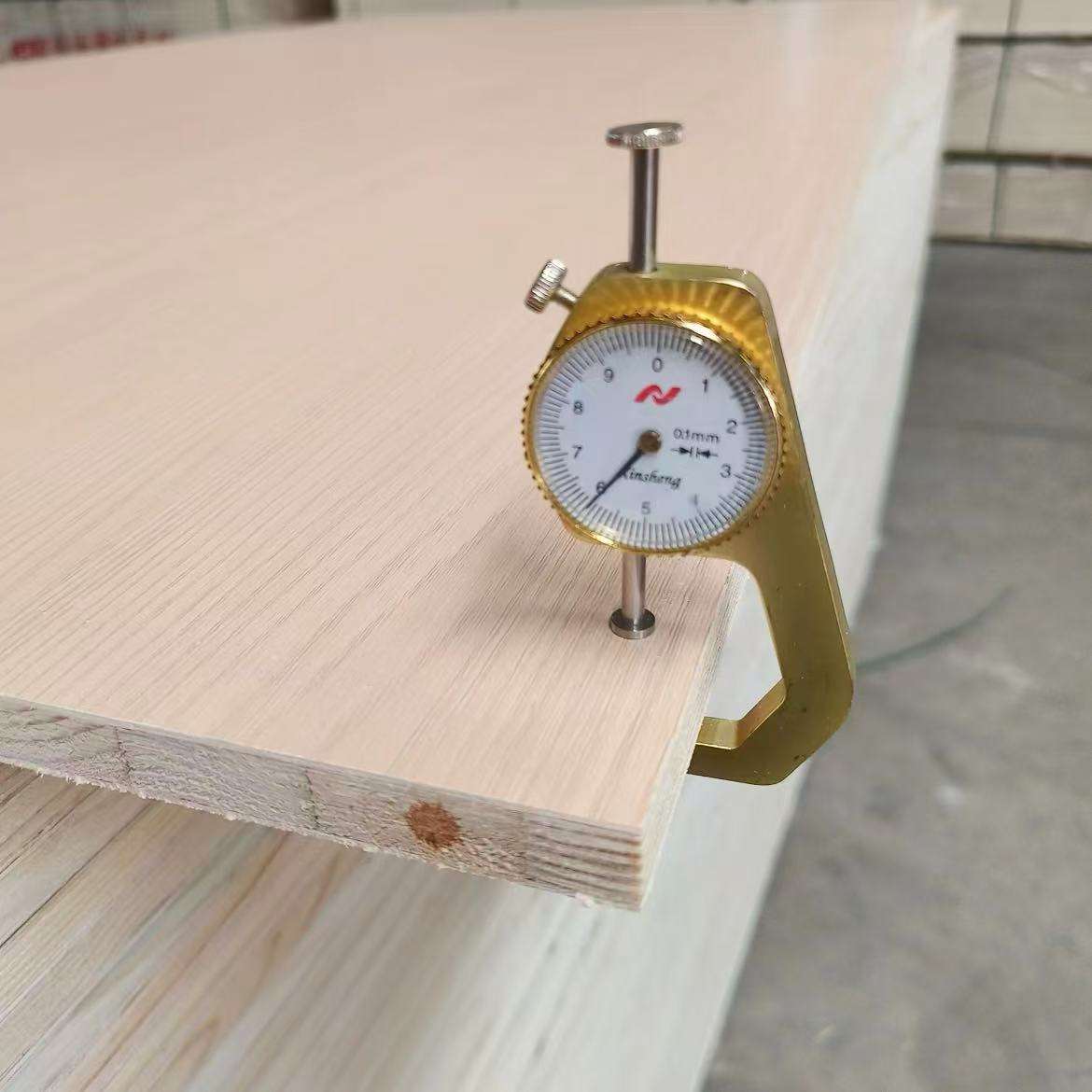
Measure face veneer thickness (birch/eucalyptus marine ply) Imported face ≥1.2mm; domestic often ~0.3mm “Imported” but thin face veneer and unknown glue
Confirm grade For home use, prefer B/BB grade or higher; S grade secondary Low‑grade CP grade used as face, called “original quality”
Price & budget reference Imported all‑birch/eucalyptus (18mm): ~
55
‑
70
/
s
h
e
e
t
;
d
o
m
e
s
t
i
c
h
i
g
h
‑
q
u
a
l
i
t
y
:
55‑70/sheet;domestichigh‑quality: 40‑70/sheet Too‑low price usually means non‑standard marine ply or poor glue
Request a sample / sealed reference For large custom projects, get a sample; verify swelling & bonding test reports No third‑party certification, no testing; insufficient packaging proof
Note: Prices are market references and vary by region and batch – always check current dealer quotes.
Check BS1088 & emission/fire certificates Request test reports, BS1088, ENF/E0 results Ordinary plywood sold as “marine grade”
Inspect panel face & cross‑section Cut a small sample – check for voids, tightness between layers Black glue pretending to be waterproof glue – actually cheap mixed adhesive
Measure face veneer thickness (birch/eucalyptus marine ply) Imported face ≥1.2mm; domestic often ~0.3mm “Imported” but thin face veneer and unknown glue
Confirm grade For home use, prefer B/BB grade or higher; S grade secondary Low‑grade CP grade used as face, called “original quality”
Price & budget reference Imported all‑birch/eucalyptus (18mm): ~
55
‑
70
/
s
h
e
e
t
;
d
o
m
e
s
t
i
c
h
i
g
h
‑
q
u
a
l
i
t
y
:
55‑70/sheet;domestichigh‑quality: 40‑70/sheet Too‑low price usually means non‑standard marine ply or poor glue
Request a sample / sealed reference For large custom projects, get a sample; verify swelling & bonding test reports No third‑party certification, no testing; insufficient packaging proof
Note: Prices are market references and vary by region and batch – always check current dealer quotes.
VII. Common Sub‑Categories
Based on face/core combinations, common marine plywood types for exposed applications include:
Based on face/core combinations, common marine plywood types for exposed applications include:
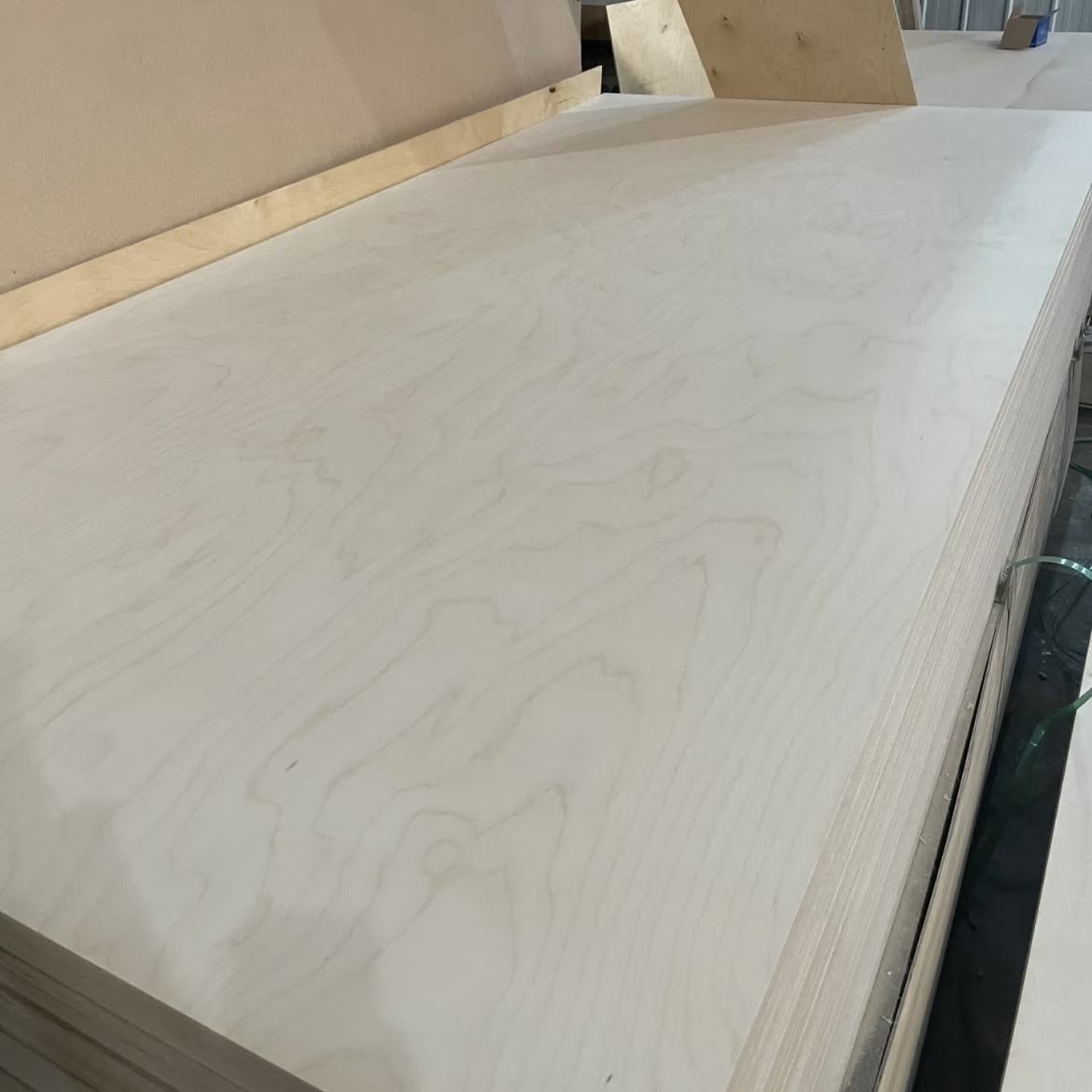
All‑birch marine plywood (mostly imported) – Face: birch, fine and clean grain. High face grade – can be finished with hard wax oil or left natural. Used in high‑end minimalist cabinet doors, wall panels, desks, “deck” tops. Price: higher (~$55‑70/sheet for 18mm).
All‑eucalyptus or eucalyptus/birch composite marine plywood – Good value for money. Dense core, high bending strength. Suitable for cabinet bodies, bookshelves, bathroom vanities. More affordable than all‑birch.
Okoumé / other hardwood core marine plywood – Often used for boat interiors or outdoor functional components. Surface can be perforated or laminated. Best for projects where structure and waterproofing matter more than high‑grade appearance.
VIII. Applications & Design Possibilities
Thanks to waterproofing, high strength, good looks, and exposed‑edge freedom, marine plywood is widely used in:
Thanks to waterproofing, high strength, good looks, and exposed‑edge freedom, marine plywood is widely used in:
High‑humidity residential areas – Kitchen & bathroom cabinets, balcony storage, basements, coastal homes – effectively reduces mould and warping.
Minimalist & natural style design – No edge‑banding required – exposed layered edges become a design feature.
Extra‑tall cabinets – Doors taller than 2m can be made without straighteners – remains stable and straight.
Wall cladding & accent walls – Full sheets create large, grain‑matched unique wall surfaces.
Public projects & landscape – Outdoor footbridges, viewing platforms, docks, containers – high durability and moisture resistance.
Creative custom shapes – Precise CNC cutting, chamfering, curved arcs, UV/painted finishes – adapts to any custom design.
IX. Maintenance & Care Instructions
Note: The following are general recommendations. Always follow the product‑specific manual.
Note: The following are general recommendations. Always follow the product‑specific manual.
Storage & handling – Upon delivery, do not place directly on the ground. Store on wooden bearers in a well‑ventilated, shaded area. Keep dry before machining. Avoid installation during overly humid construction phases.
Pre‑treatment before finishing – Sand edges and surfaces. Remove dust and grease. Before applying water‑based varnish or hard wax oil, test on a small sample to ensure no staining or discoloration.
Recommended finishes – For kitchen countertops or heavy‑use areas, consider edge sealing or applying waterproof wax along edges. Hard wax oil / clear varnish for open‑pore feel; for high‑wear surfaces, use high‑hardness baked paint or polyurethane topcoat.
Daily cleaning – Wipe with a slightly damp soft cloth, following the wood grain. Do not use aggressive chemicals or abrasive/metal pads – they may damage the surface’s water resistance.
Installation tolerance – For custom cabinets and door panels, allow expansion gaps (approx. 2‑3 mm) to accommodate seasonal humidity changes and avoid stress‑induced deformation.