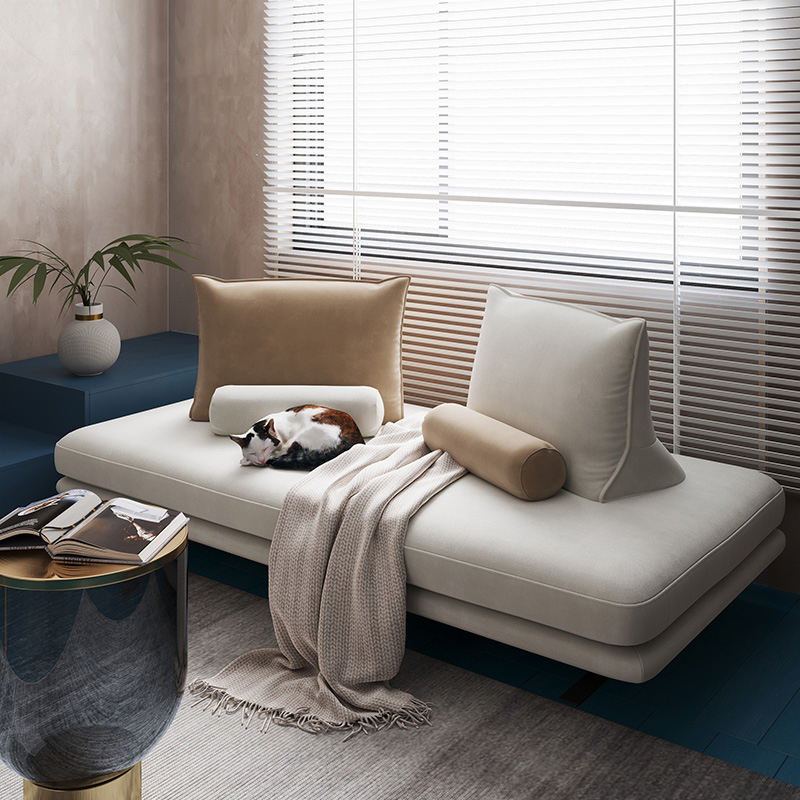
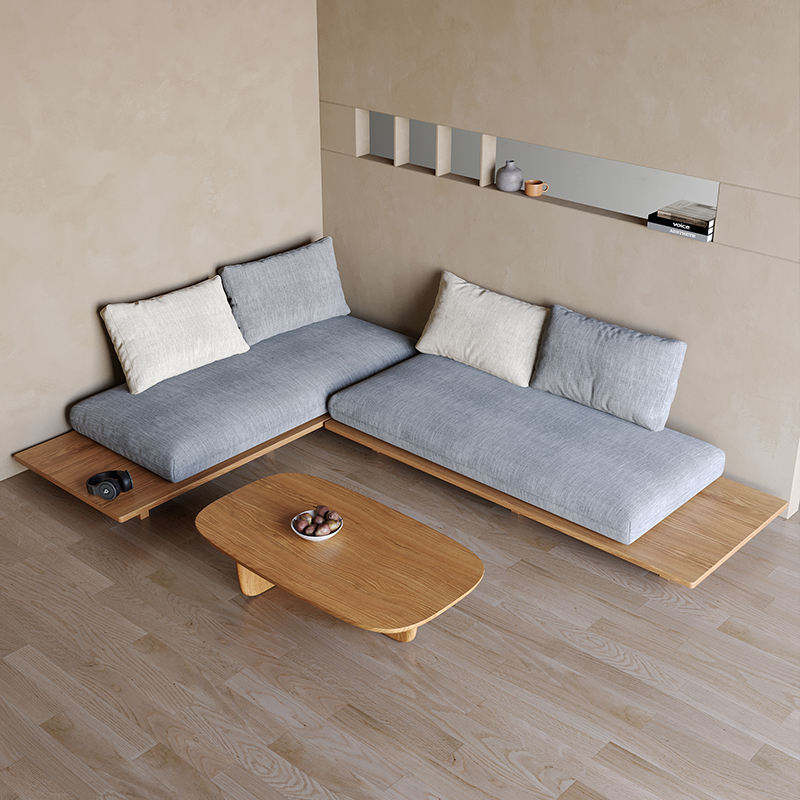
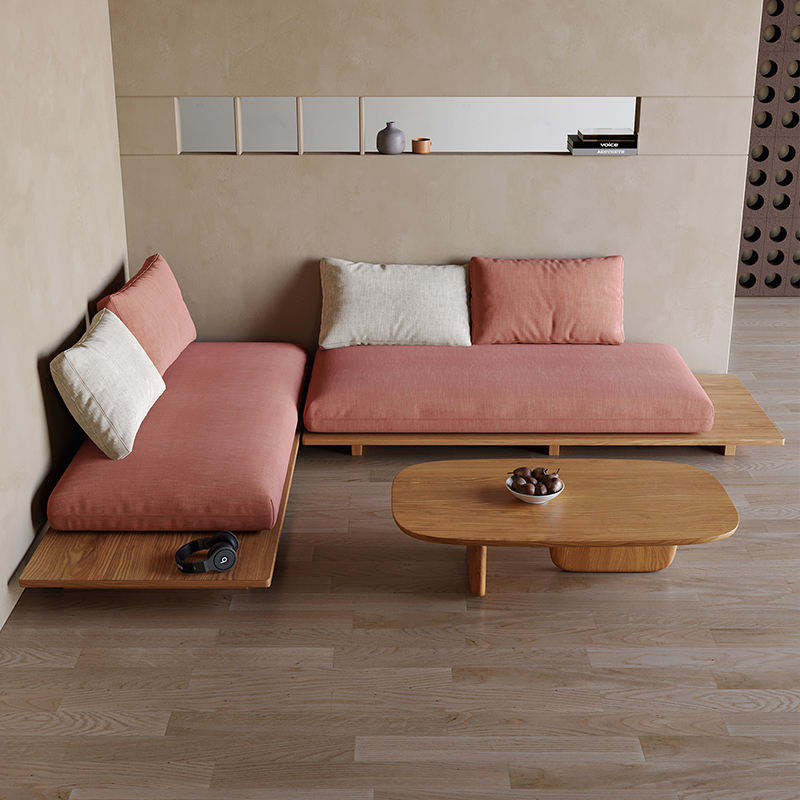
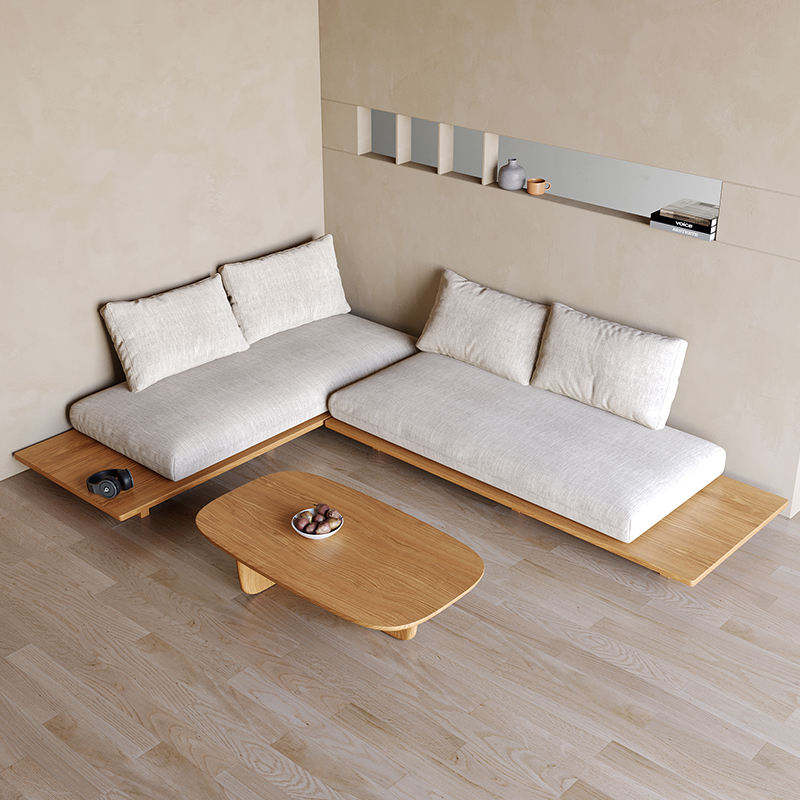
Why does this classic Japanese-style sofa bed combine the aesthetics of traditional tatami with modern comfort?
This classic Japanese-style sofa bed seamlessly integrates the aesthetics of traditional tatami with modern comfort because it precisely captures the dual needs of modern life: a longing for spiritual tranquility and simplicity, alongside a desire for ultimate physical relaxation.
This combination is not a simple patchwork, but a thoughtful evolution. We can understand its success from the following dimensions:
1. Spiritual Level: Inheriting the Philosophy of "Zen" and "Harmony with Nature"
The core of traditional Japanese tatami lies in its low-profile, minimalist, and nature-integrated aesthetic. This sofa bed retains these soulful elements:
Low-Centered Design: It continues the sense of security that comes from being close to the ground, making people feel calm and stable—a manifestation of the Eastern philosophy of "grounding."
Use of Natural Materials: It often uses cotton-linen fabrics or natural wood frames, presenting earthy tones or natural wood colors visually, preserving that simple beauty that feels "made by man, yet born of nature."
Visual "White Space": The lines are clean and simple, with no unnecessary decoration, aligning with the Japanese aesthetic of "less is more." It easily integrates into various home decor styles, bringing visual tranquility.
2. Functional Level: Resolving the "Hard vs. Soft" Paradox
While traditional tatami is aesthetically pleasing, the experience of lying or sitting directly on it for long periods can feel too hard for many modern people. The genius of this sofa bed lies in using modern technology to fill the traditional framework.
A Revolution in Comfort: While maintaining a simple exterior, the interior is filled with high-resilience foam, latex, or memory foam. These modern materials add softness and a sense of envelopment while retaining the supportive nature of tatami, perfectly solving the "too hard" problem.
Ergonomic Considerations: Traditional cushions are usually flat, whereas modern versions may slightly adjust the angle of the backrest or seat to better fit the curves of the human body, allowing for comfortable sitting even after long periods.
3. Form Level: The "Transformer" for Small Spaces
Japanese-style homes have always excelled at utilizing limited space, and this sofa bed takes that wisdom to the next level.
Multi-Functionality: It serves as an elegant sofa for reading or entertaining guests, and when pulled out, it becomes a comfortable bed for guests or napping. This "transformative" ability is something pure traditional tatami struggles to achieve, yet it is a highly desirable function for modern urban dwellers in small apartments.
Flexibility: It is lighter and more portable than traditional tatami, allowing it to be easily moved to suit rental situations or frequently changing home layouts.
4. Craftsmanship Level: Advancements in Fabric Technology
To balance aesthetics with durability, modern craftsmanship provides the support:
Tech Fabrics: The use of stain-resistant, wear-resistant, and easy-to-clean tech fabrics maintains the visual texture of linen or cotton while being more practical for daily use.
Structural Reinforcement: Modern joinery and reinforced frames ensure that the sofa bed remains sturdy and durable despite frequent folding and unfolding.